
Are Lingual Braces Right for You?
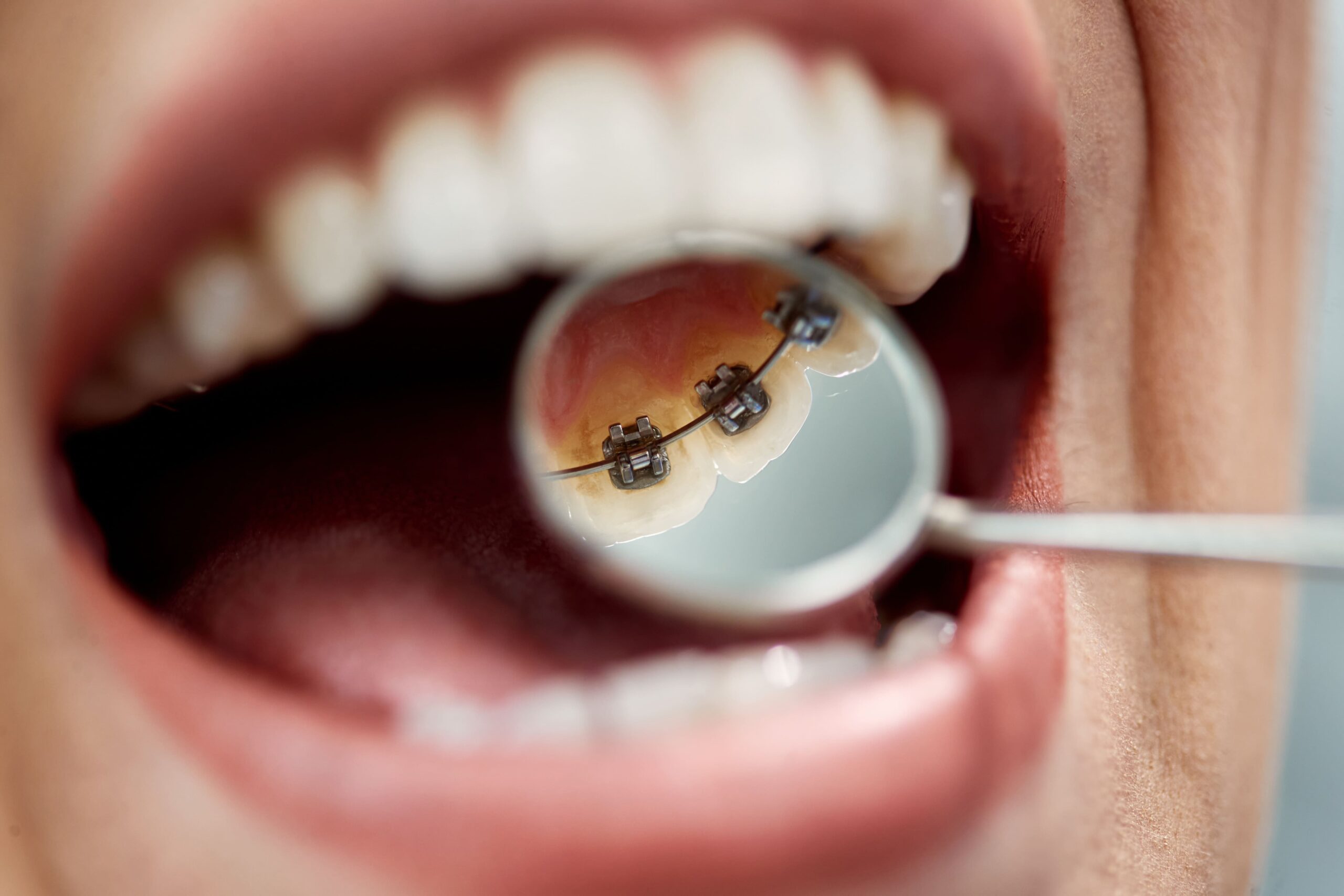
If you’ve been thinking about straightening your teeth but don’t love the idea of visible brackets and wires, you’re not alone. Many teens and adults want orthodontic treatment that fits their lifestyle without drawing attention to their smile during the process. That’s where lingual braces, often called braces behind the teeth, come in.
Lingual braces offer the effectiveness of traditional braces with a discreet design that stays hidden from view. But are they the right choice for you? Let’s take a closer look at how they work, who they’re best for, and what to consider before choosing this treatment option.
What Exactly Are Lingual Braces?
Lingual braces are a type of fixed orthodontic appliance that attaches to the back surfaces of your teeth rather than the front. While they function similarly to traditional braces by using brackets and wires to move teeth into better alignment, their placement makes them virtually invisible when you smile or speak.
Because the back of each tooth has a unique shape, lingual braces are custom-designed for every patient. An orthodontist carefully plans the positioning of each bracket to ensure the right amount of pressure is applied in the right direction. This customization is one reason lingual braces can be just as precise and effective as front-facing braces.
Why Patients Choose Braces Behind the Teeth
The most obvious benefit of lingual braces is discretion. Since the braces are hidden, many patients feel more comfortable starting orthodontic treatment without worrying about how it will affect their appearance. This is especially appealing to adults, professionals, and older teens who want treatment to blend seamlessly into their daily lives.
Another advantage is that lingual braces are fixed in place. Unlike removable aligners, there’s no need to remember to put them back in after meals or events. Once they’re on, they’re working continuously, which can help keep treatment moving forward consistently.
Lingual braces can also correct a wide range of orthodontic concerns. Crowding, spacing issues, and many bite problems can be treated effectively using braces behind the teeth, making them a versatile option for patients who want reliable results without visible hardware.
Who Is a Good Candidate for Lingual Braces?
Lingual braces are often a great fit for patients who value discretion and are willing to commit to proper care throughout treatment. Adults frequently choose this option, but motivated teens may also benefit depending on their orthodontic needs.
That said, lingual braces aren’t ideal for every situation. Certain bite patterns, jaw positions, or tooth shapes may respond better to other orthodontic treatments. Additionally, because cleaning around braces behind the teeth requires extra attention, patients need to be committed to maintaining good oral hygiene.
The best way to know if lingual braces are right for you is through an evaluation with an orthodontist who offers multiple treatment options and can recommend what best fits your smile—not just what’s trendy.
What Are the Challenges of Lingual Braces?
Like any orthodontic treatment, lingual braces come with an adjustment period. Because the brackets are positioned close to the tongue, some patients notice temporary speech changes or mild tongue irritation during the first few weeks. These effects typically improve as your mouth adapts and the tongue becomes accustomed to the brackets.
Oral hygiene is another important consideration. Cleaning braces behind the teeth can take a little more time than brushing front-facing braces. Many patients benefit from tools like floss threaders or water flossers to help keep the area clean and prevent plaque buildup.
Regular orthodontic visits are essential to monitor progress and make adjustments. Staying consistent with appointments and daily care helps ensure treatment stays on track and delivers the desired results.
Lingual Braces vs. Other Discreet Orthodontic Options
Patients often compare lingual braces with clear aligners when looking for a low-visibility solution. Both options offer discretion, but they work in different ways.
Clear aligners are removable and nearly invisible, but they depend heavily on consistent wear to be effective. Lingual braces, on the other hand, are always working and don’t rely on daily compliance. For patients who prefer a fixed appliance or who may struggle with remembering to wear aligners, braces behind the teeth can be a more predictable choice.
Each option has its advantages, and the right choice depends on your lifestyle, orthodontic needs, and personal preferences. An experienced orthodontist can explain the differences and help guide your decision.
What Is Daily Life Like With Lingual Braces?
Most patients find that daily life with lingual braces becomes routine after the initial adjustment phase. Speaking and eating feel more natural over time, and many patients forget they’re even wearing braces during the day.
As with any braces, certain foods should be avoided to prevent damage to the brackets or wires. Sticky or very hard foods can cause issues, while softer options are generally easier during treatment. Maintaining good habits and following your orthodontist’s guidance can make the experience smoother and more comfortable.
How Long Does Treatment Take?
Treatment length varies from patient to patient and depends on the complexity of the orthodontic issues being addressed. In many cases, lingual braces follow a timeline similar to traditional braces.
Your orthodontist will create a personalized treatment plan and provide an estimated timeline during your consultation. Progress is monitored throughout treatment, and adjustments are made as needed to keep your smile moving in the right direction.
Why Choosing the Right Orthodontist Matters
Because lingual braces require advanced planning, customization, and precise placement, experience matters. Working with an orthodontist who understands the mechanics of braces behind the teeth helps ensure comfort, efficiency, and long-term stability.
A thorough evaluation allows your orthodontist to determine whether lingual braces are the best option for your smile—or if another treatment approach would be more effective.
Britto Orthodontics: Discreet Care Designed Around You
Ready to Explore Braces Behind the Teeth?
If you’re considering lingual braces and want guidance from a trusted orthodontist, Britto Orthodontics is here to help. With convenient locations in Chantilly and Woodbridge, our team provides personalized orthodontic care designed to fit your lifestyle, goals, and comfort.
Schedule a consultation with Britto Orthodontics to find out whether braces behind the teeth are right for you. A confident, well-aligned smile can start with one simple step.